
Understanding Temperature Needs
Temperature plays a crucial role in the success of your container vegetable garden. Different veggies have different preferences when it comes to temperature, so it’s essential to know what they like to keep them happy and thriving.
Optimal Temperature Range
For most vegetables, the ideal temperature range for container gardening is between 65°F and 75°F (18°C to 24°C) during the day. Nighttime temperatures can dip a bit lower, ideally staying above 55°F (13°C). These mild conditions provide the perfect environment for healthy growth and development.
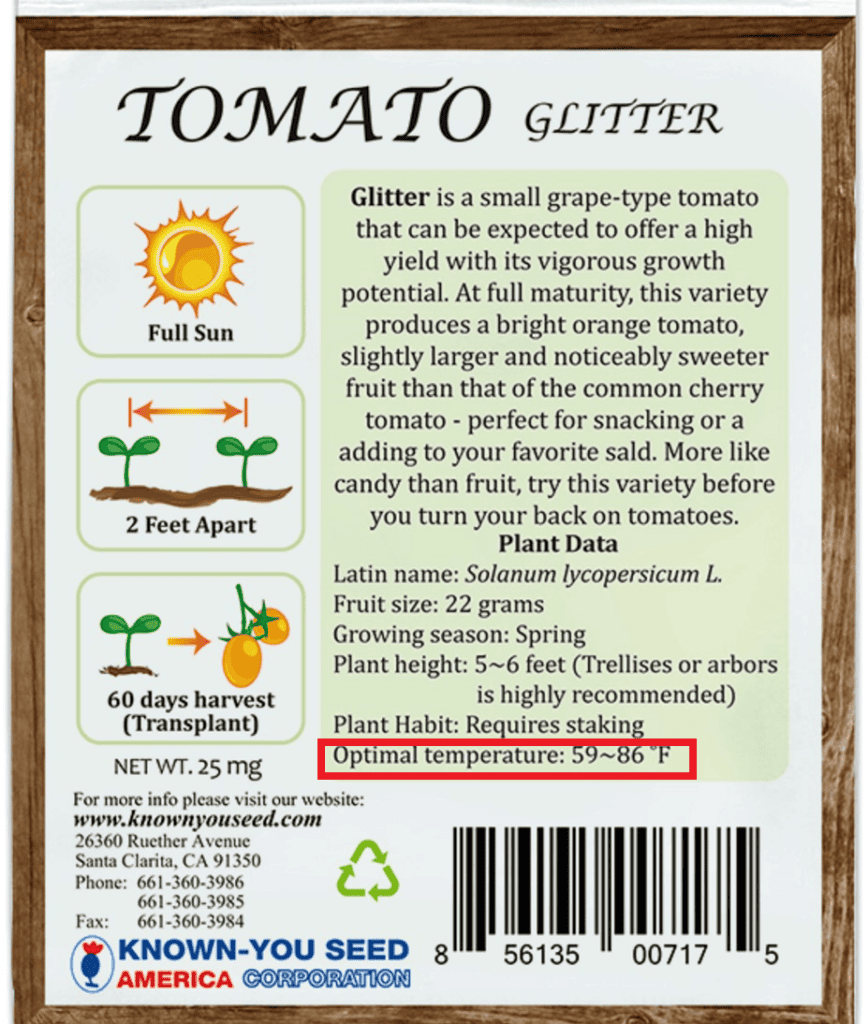
Cool-Season vs. Warm-Season Vegetables
It’s essential to understand the difference between cool-season and warm-season vegetables when it comes to temperature:
- Cool-Season Vegetables: These veggies prefer cooler temperatures and can tolerate light frosts. Examples include lettuce, spinach, kale, carrots, radishes, and peas. Plant them in early spring or fall when temperatures are mild.
- Warm-Season Vegetables: These veggies love the heat and thrive in warmer temperatures. Think tomatoes, peppers, cucumbers, zucchini, beans, and herbs like basil and cilantro. Wait until after the last frost date in spring to plant them, when temperatures have warmed up.
Tips for Temperature Management
Here are some simple tips to help you manage temperature in your container garden:
- Choose the Right Location: Place your containers in a spot that receives the right amount of sunlight for your veggies but isn’t too exposed to extreme heat or cold.
- Use Light-Colored Containers: Light-colored containers reflect sunlight, helping to keep the soil temperature cooler during hot weather.
- Mulch: Apply a layer of mulch on top of the soil to help regulate soil temperature and retain moisture.
- Water Wisely: Water your veggies regularly, especially during hot weather, to keep the soil evenly moist. Avoid overwatering, as it can lead to root rot.
- Provide Shade: If temperatures soar during the summer months, consider providing some shade for your containers during the hottest part of the day to prevent heat stress.
Monitoring Temperature
Keep an eye on the temperature in your container garden using a thermometer. Place it near your plants to get an accurate reading of the conditions they’re experiencing.

Fact Checked, Written, and Published by Kevin Rodrigues
Kevin is the founder of Gardening Mentor, a website that aims to teach people to grow their own food in a limited space. As a self-taught gardener, Kevin has spent several years growing plants and creating gardening content on the website. He is certified in Home Horticulture and Organic Gardening from Oregon State University. He has a Post Graduate Diploma in Horticulture and Landscape Gardening from Mumbai University.
Read more