
Sunlight is one of the crucial elements when you want to grow vegetables in containers. Most vegetables will need full sunlight. Some may do fine with partial shade. The plants need sunlight to create food and use it to develop foliage, roots, and fruit.
Full sun
Full sun refers to an area that receives at least 6-8 hours of direct sunlight per day. The sunlight should fall directly on the plant foliage.
Most vegetables and herbs would need full sun if you need them to grow healthy and in the right period of time. Lack of sunlight will stunt growth and they won’t develop fruit.
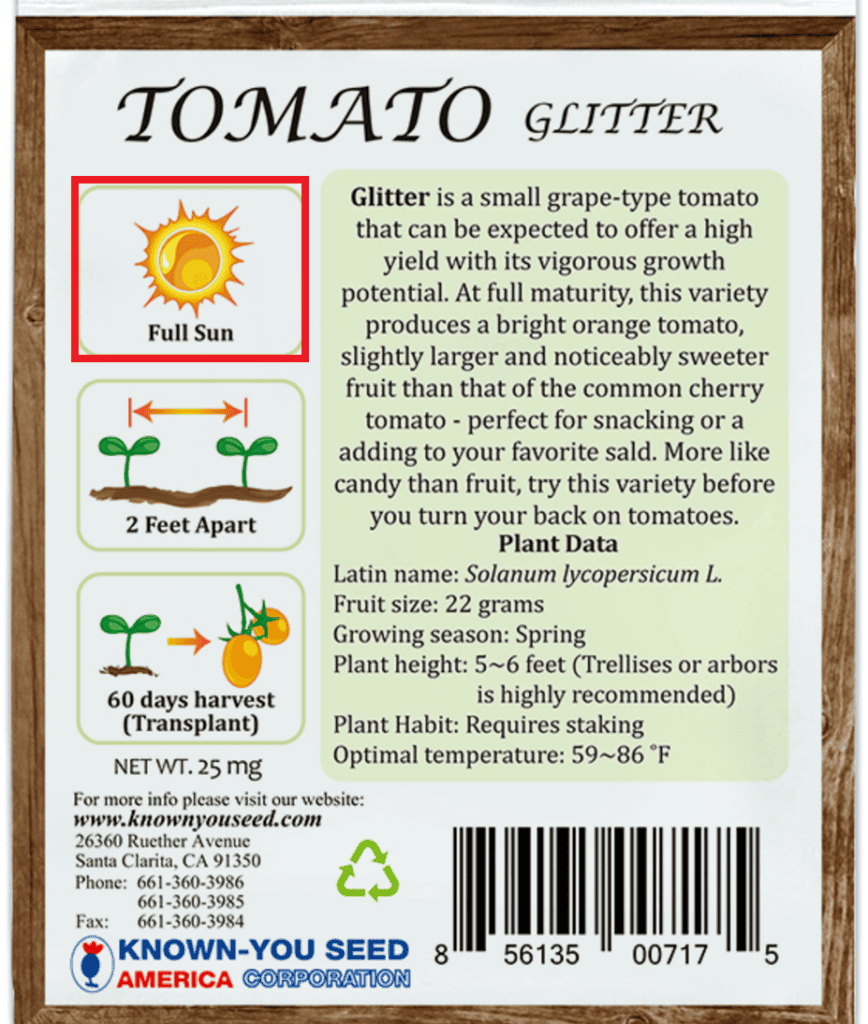
List of vegetables and herbs that need full sun
- Tomatoes
- Peppers
- Cucumbers
- Zucchini
- Eggplant
- Beans
- Okra
- Corn
- Pumpkin
- Cauliflower
- Broccoli
- Brussel Sprouts
- Celery
- Radishes
- Onions
- Green Onions
- Sweet Potatoes
- Garlic
- Potatoes
- Basil
- Parsley
- Thyme
- Rosemary
- Sage
- Dill
- Lemongrass
Partial shade
Partial shade indicates an area that receives 3-6 hours of sunlight per day, typically with dappled or filtered sunlight.
Some vegetables and herbs are tolerant to partial shade but these are few. You can try growing vegetables in the sunlight you have available. Whether they grow well or not would depend on the tolerance of the plant.
List of vegetables and herbs that tolerate partial shade
- Peas
- Lettuce
- Spinach
- Kale
- Cabbage
- Bok Choy
- Swiss Chard
- Mustard Greens
- Arugula
- Collard Greens
- Carrots
- Beets
- Turnips
- Cilantro
- Mint
- Chives
- Oregano
Full shade
Full shade describes an area with less than 3 hours of direct sunlight per day, often found in shaded locations beneath dense trees, buildings, or structures.
No vegetable or herb grows well under full shade. You have many indoors plants that will do fine with lack of sunlight but not vegetables.
Pick a good location to grow your container vegetable garden
- Observe Sun Patterns: Spend a day observing how sunlight moves across different areas of your balcony, patio, or yard. Note which areas receive the most sunlight and for how long.
- Check Sunlight Duration: Aim for a location that receives at least 6-8 hours of direct sunlight per day for vegetables that require full sun. Use a timer or sun calculator app to track sunlight duration accurately.
- Choose South-Facing Areas: In the northern hemisphere, south-facing areas typically receive the most sunlight throughout the day. Look for spots that face south or southeast for optimal sun exposure.
- Avoid Obstructions: Ensure that the chosen location is free from obstructions such as tall buildings, trees, or structures that cast shadows and block sunlight during crucial hours.
- Consider Reflective Surfaces: Look for areas with reflective surfaces nearby, such as light-colored walls or fences, which can help bounce sunlight onto your plants and enhance overall light exposure.
- Adaptability: Keep in mind that sunlight patterns may change throughout the year due to seasonal variations. Choose a location that offers adaptability, allowing you to adjust plant placement or use shading devices if needed.

Fact Checked, Written, and Published by Kevin Rodrigues
Kevin is the founder of Gardening Mentor, a website that aims to teach people to grow their own food in a limited space. As a self-taught gardener, Kevin has spent several years growing plants and creating gardening content on the website. He is certified in Home Horticulture and Organic Gardening from Oregon State University. He has a Post Graduate Diploma in Horticulture and Landscape Gardening from Mumbai University.
Read more